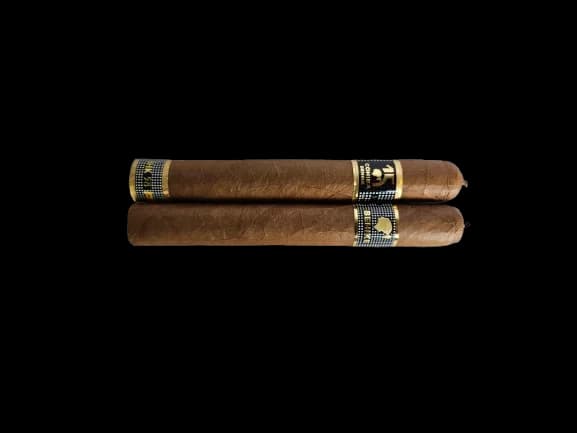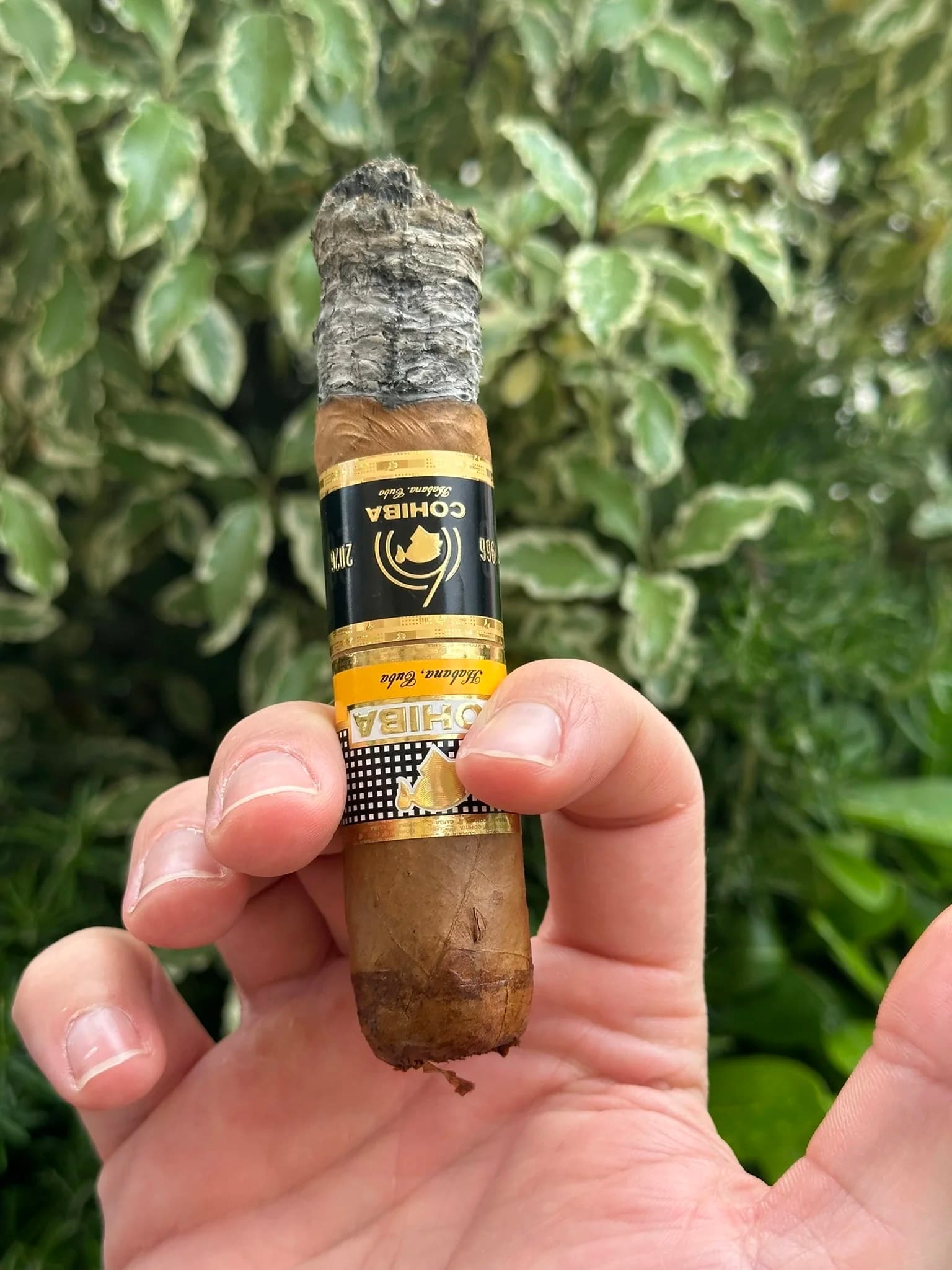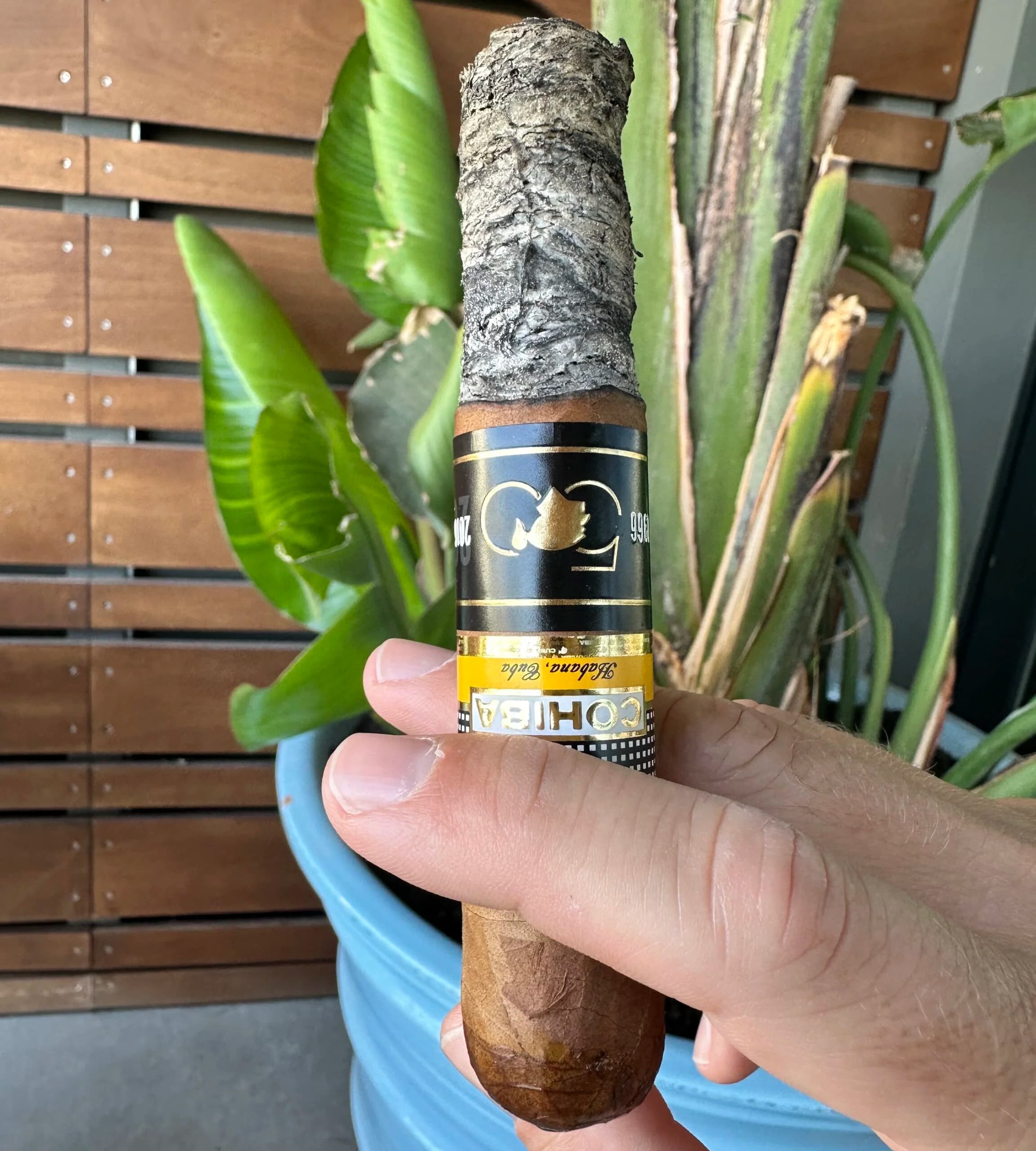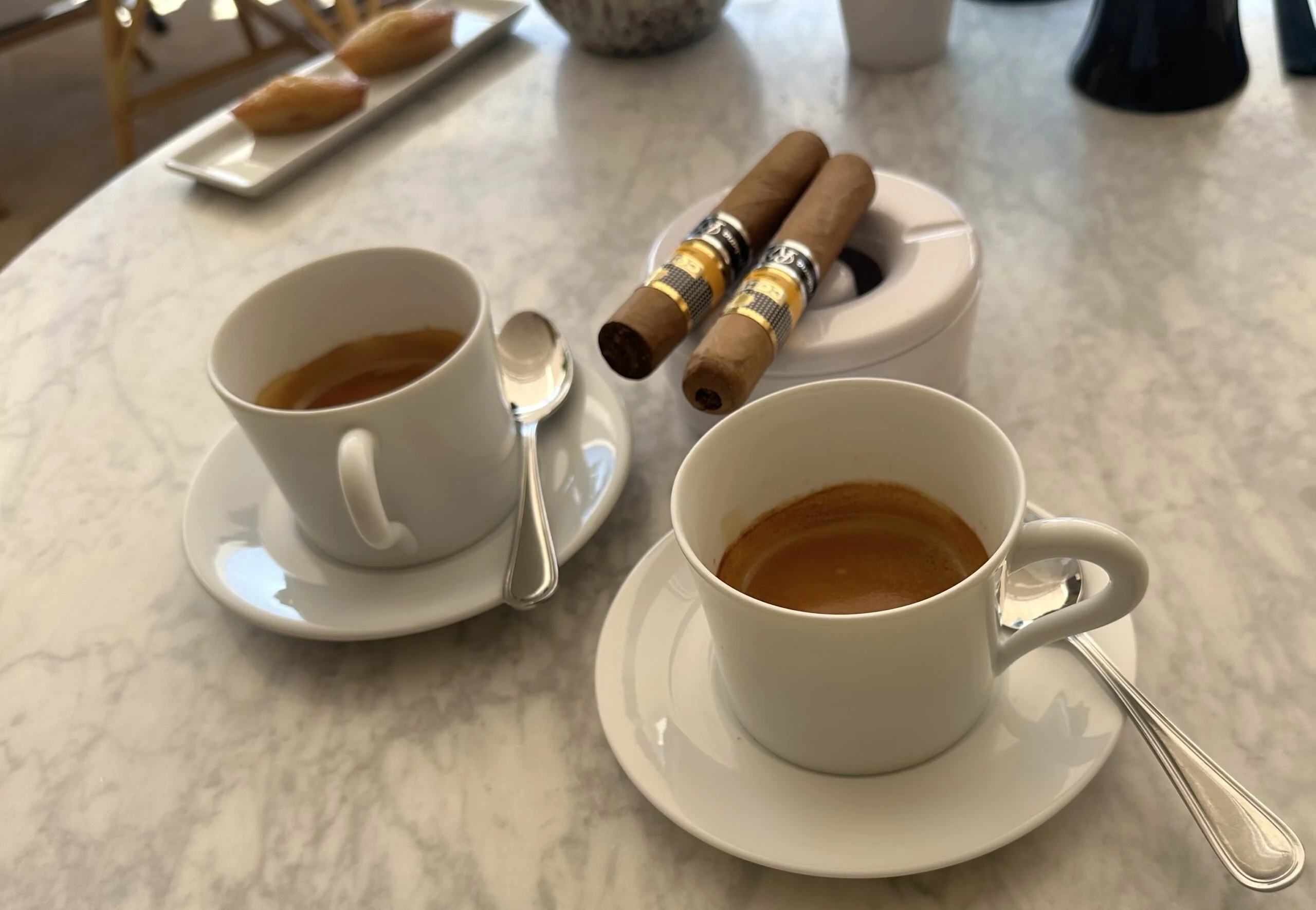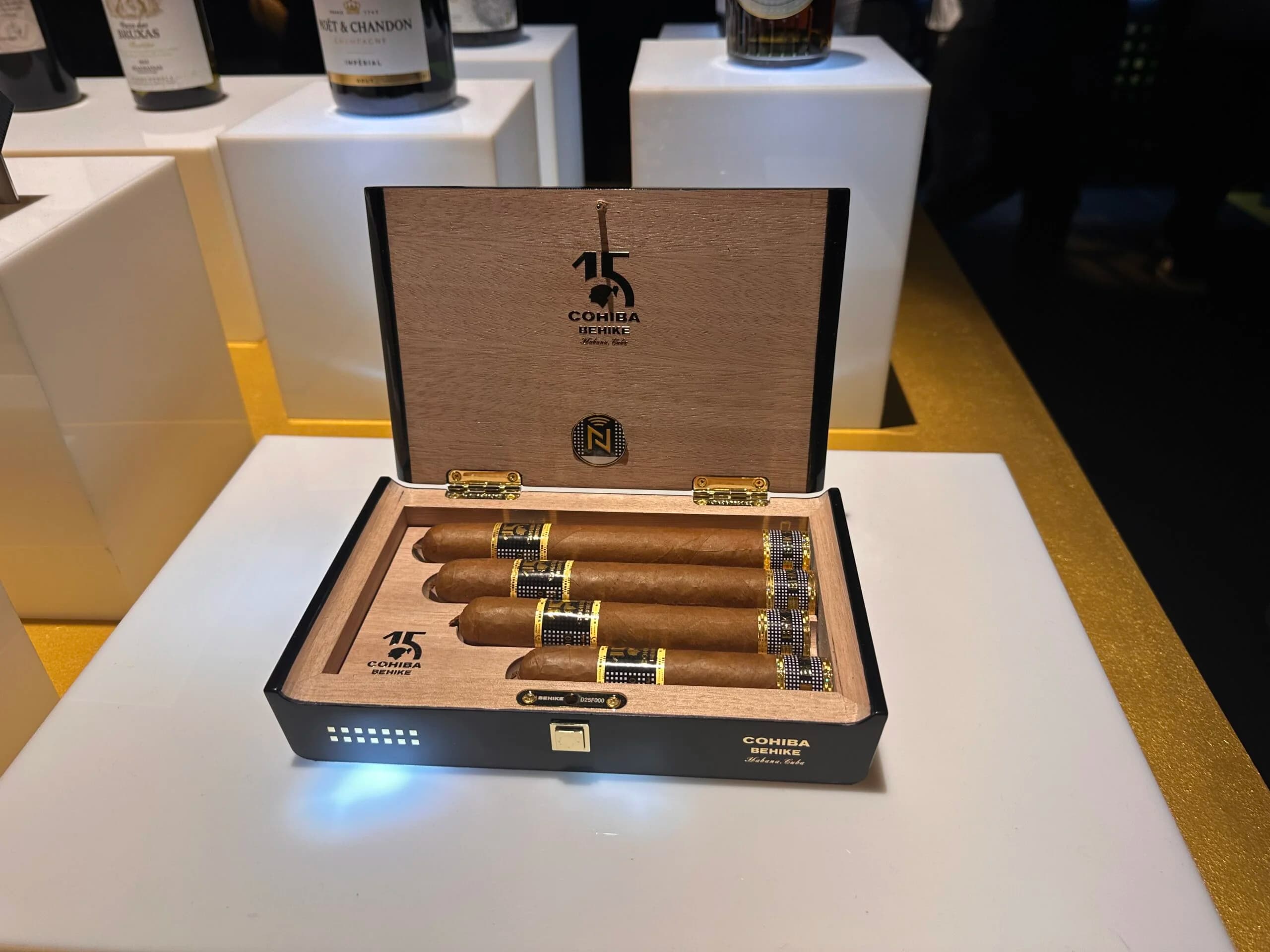
We have a new sheriff in town: the Behike 58!
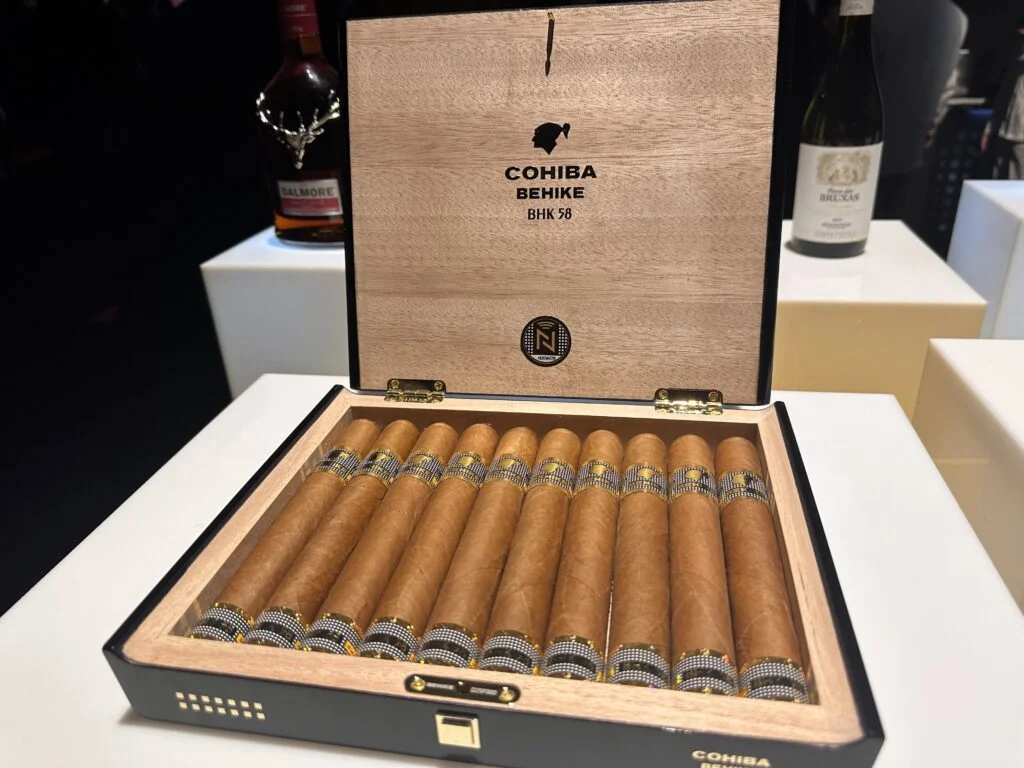
Now it’s official, although seasoned aficionados have known it for a while through our website 😉.
We saw the Behike 58 at the XXV Festival del Habano in Havana, Cuba, among other great new releases. We also visited the Vuelta Abajo region, the factories, and participated in the dinners and other events. Join us as we take you through the festival.
Day 1
The first day started with a press conference where Habanos S.A. announced the new releases for the festival:
- Behike 58
- Romeo y Julieta Amantes
- Montecristo & Punch Ediciones Limitadas
- Trinidad Villa
- H. Upmann Magnum 50 Gran Reserva Cosecha 2019
We visited the Festival del Habano trade fair where some of the new cigars were on display. The 15th anniversary of the Behike line was a central theme at the fair.
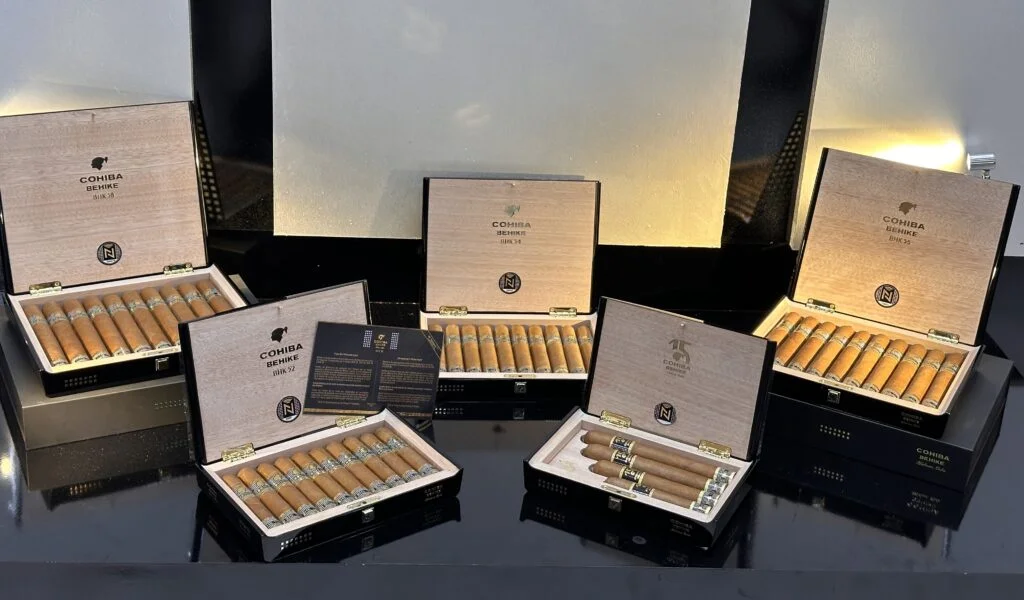
From now on, the entire Behike line will feature new bands with NFC technology as well as foot bands. The boxes now feature a curved design and NFC chips as well.
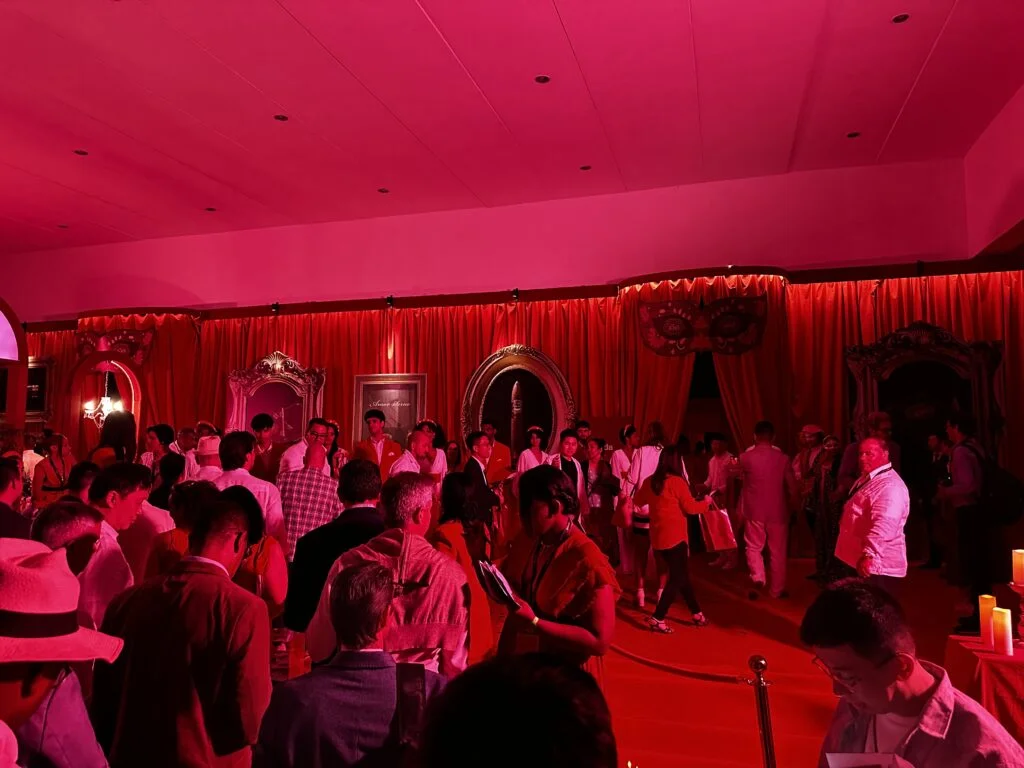
Everyone was waiting for the Welcome Night, an event dedicated to the 150th anniversary of Romeo y Julieta.
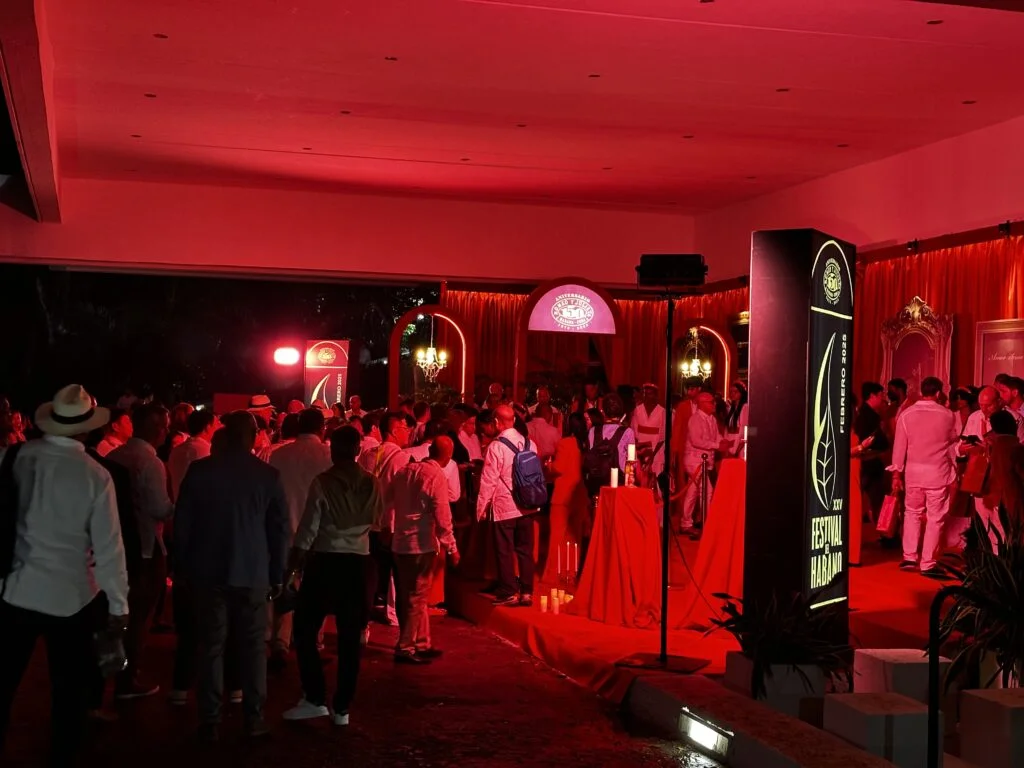
It was a love-themed venue decorated in red at the El Laguito Reception Hall in Havana. Invited guests had been instructed to wear red (ladies) and white (gentlemen) to match the theme.
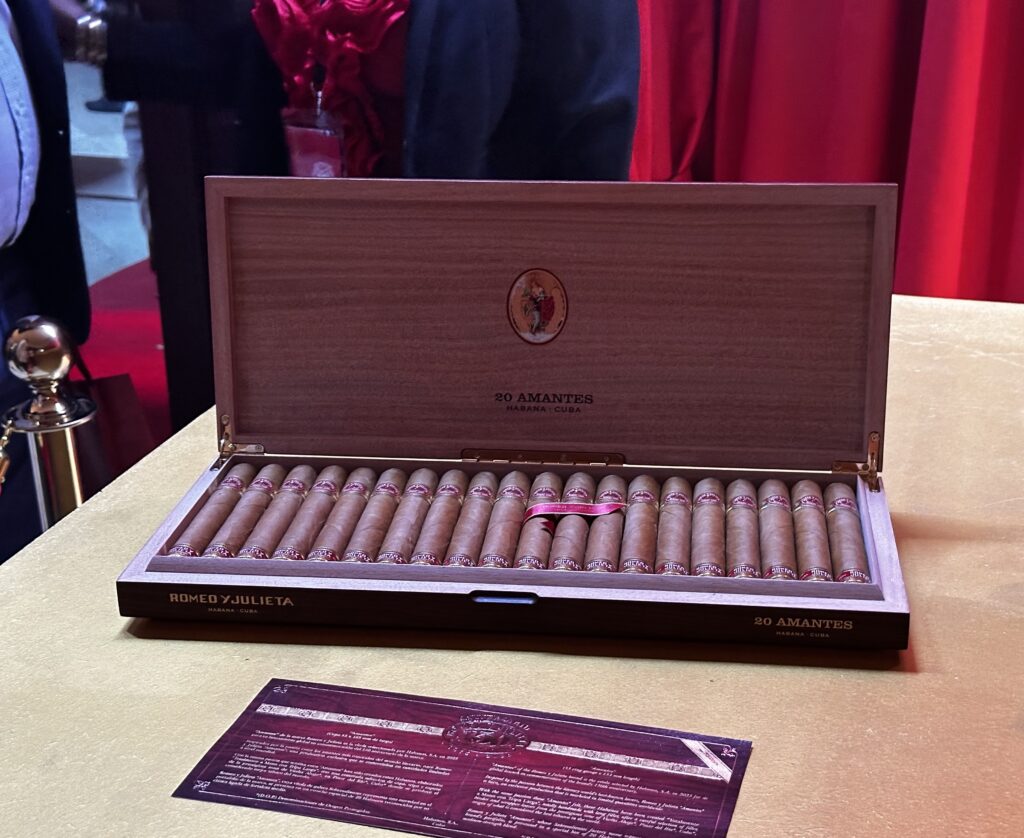
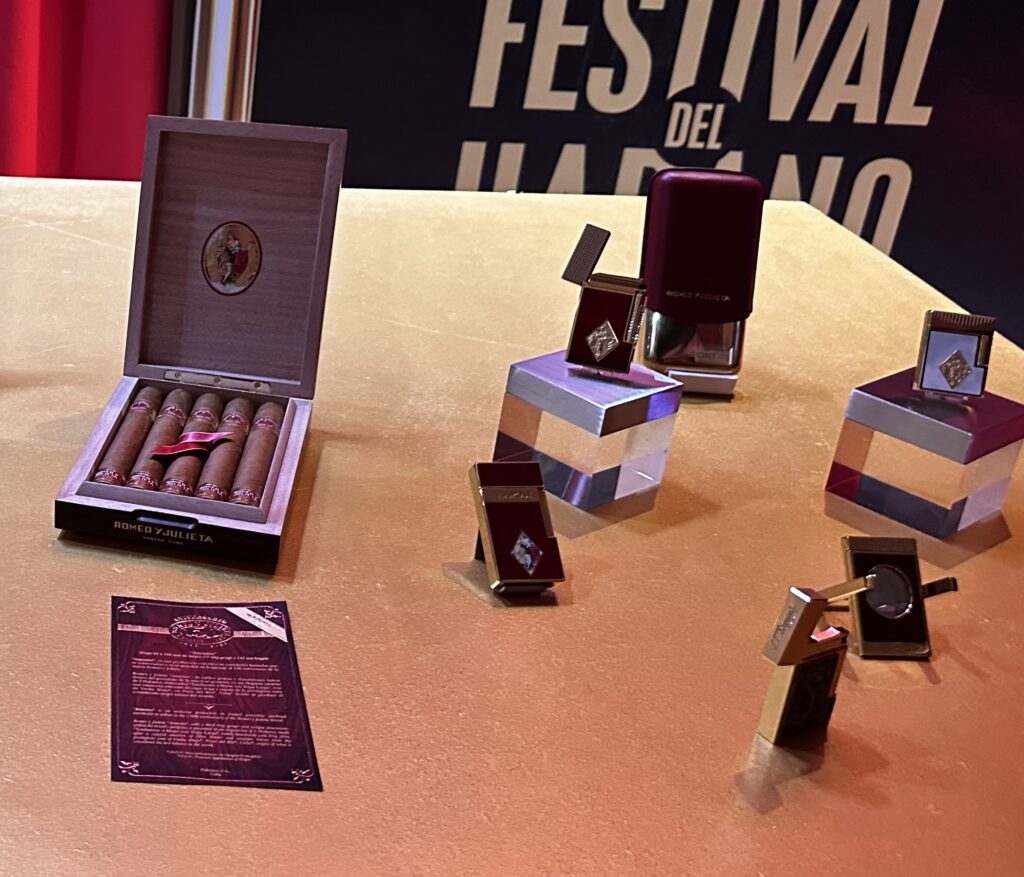
We were greeted with a welcome present that contained a Romeo y Julieta-themed lighter and cutter set as well as a box of 3 Romeo y Julieta Amantes.
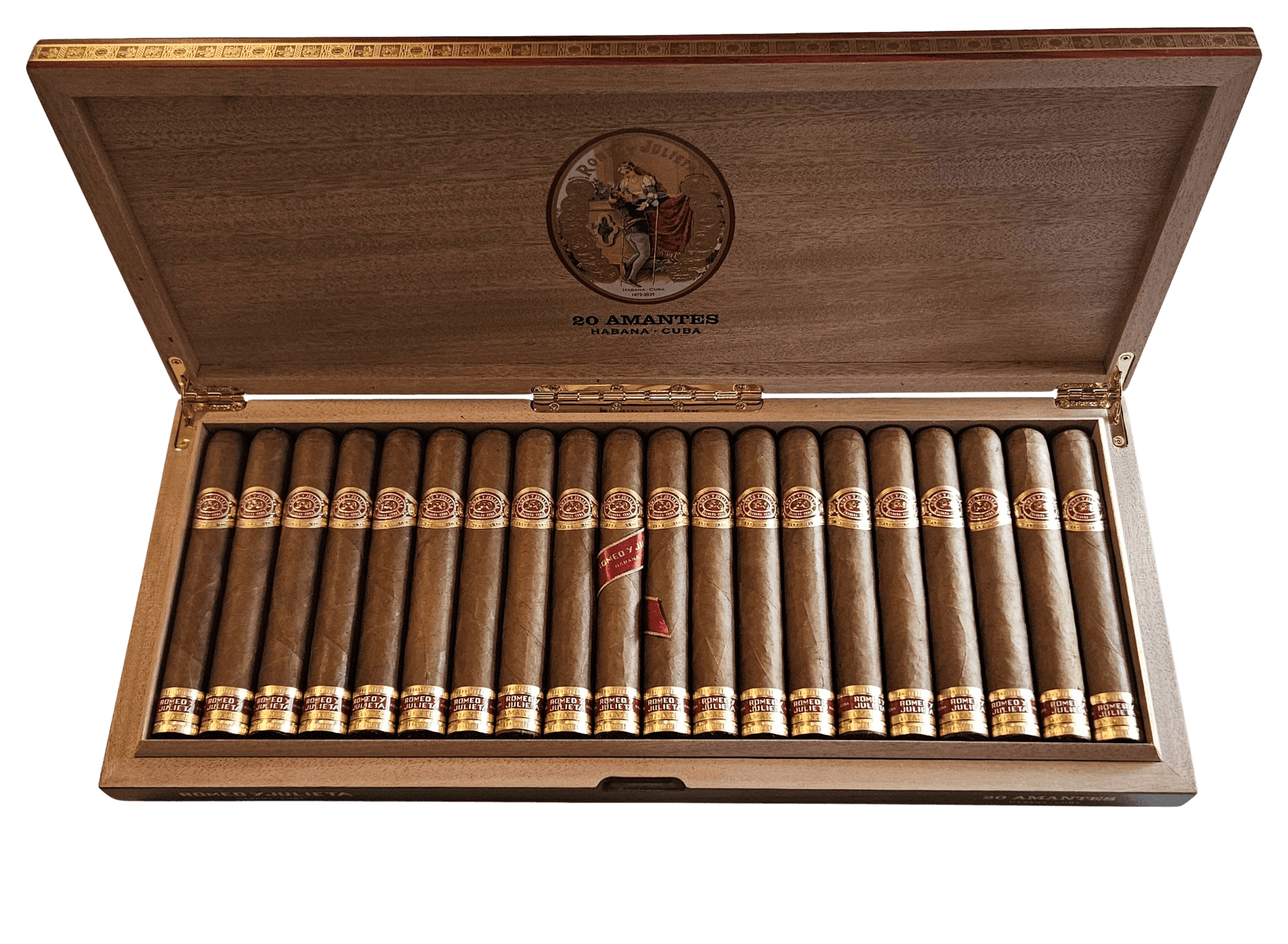
Amantes was the star of the show, created to celebrate 150 years of the brand. The Amantes is a 53-ring gauge cigar with a length of 153 mm. The factory name is Sobresalientes. It features a special Romeo y Julieta 150 Aniversario band as well as a foot band with an iridescent ring. It comes in boxes of 20 or 5 cigars, both of which are single-layer.
The Welcome Night venue featured an indoor (air-conditioned) and outdoor area. The main stage, drink booths, and DJ booth were located inside. Outside was the food catering, some places to sit, and a nice Romeo y Julieta-themed photo booth.
The weather was rainy, but part of the outdoor area was covered. Most people stayed outside, which surprised me, since inside it was not only air-conditioned but smoking was also allowed.
On the main stage, the vitola was presented, after which bands took over with live music.
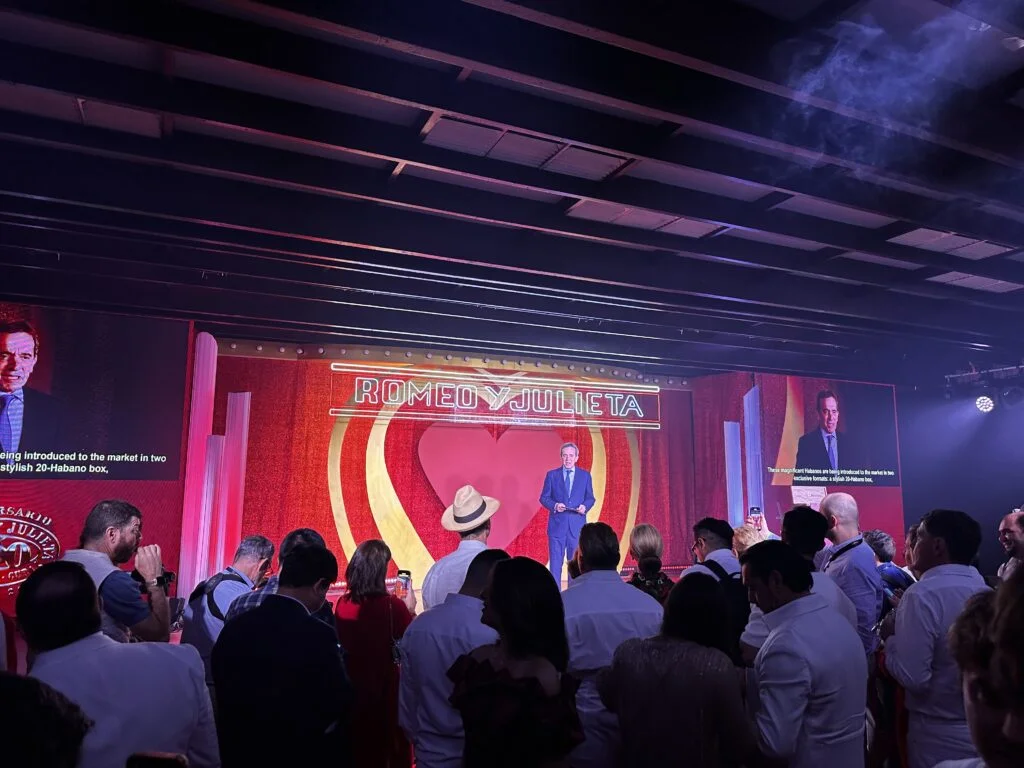
In general, it was a well-organized event but not without its hiccups. They ran out of welcome gifts for the attendees, so some people had to sign up to receive them later.
Day 2
On the second day, we visited plantations in Vuelta Abajo. Our group was lucky to visit producer Héctor Luis Prieto’s plantation in San Juan y Martínez.
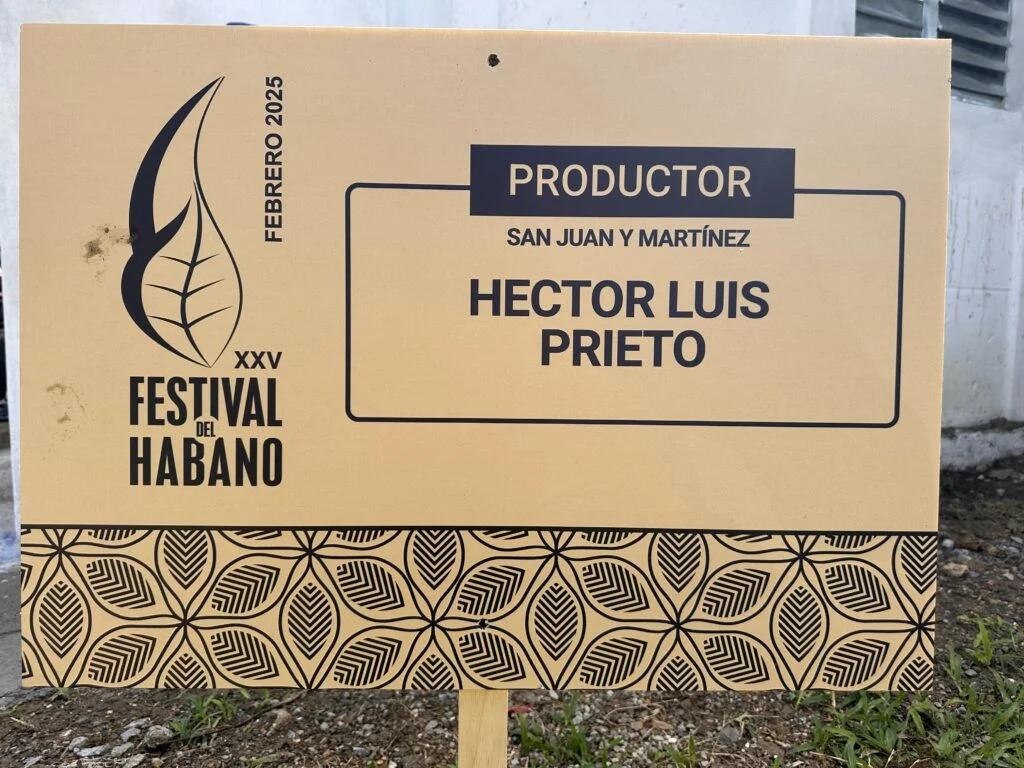
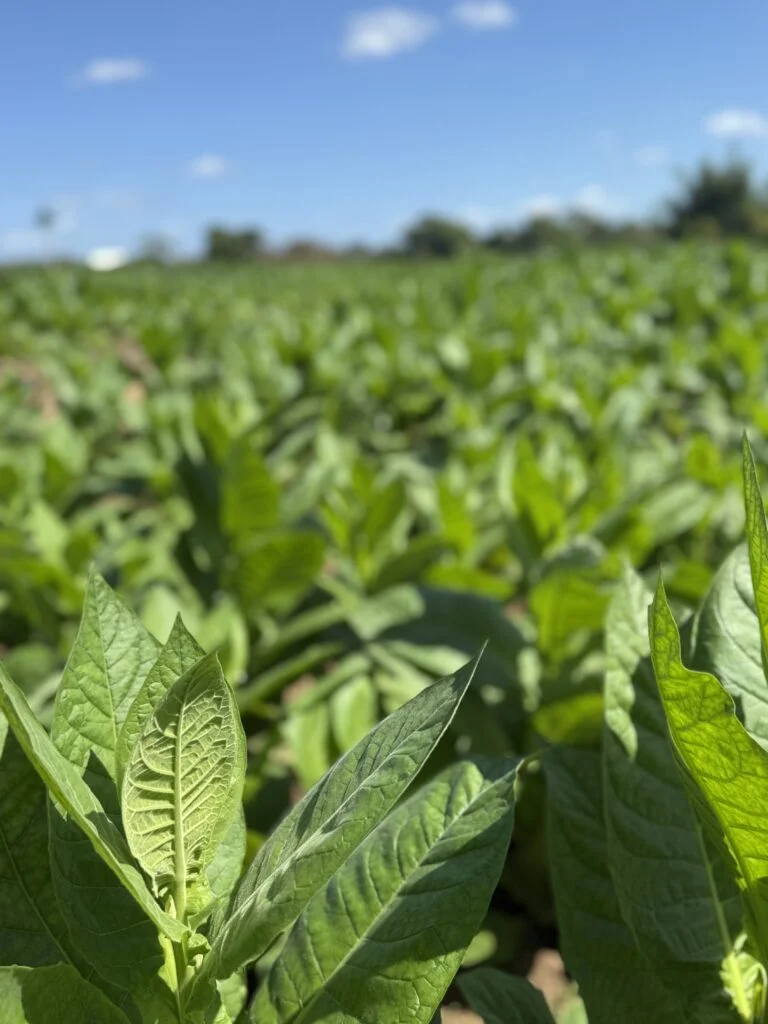
We were given a short tour of the plantation, and the process of growing tobacco was explained to us. One interesting detail is that the wrapper leaves are grown under a mesh to protect them from the sun. This makes them thinner, softer, and more elastic.
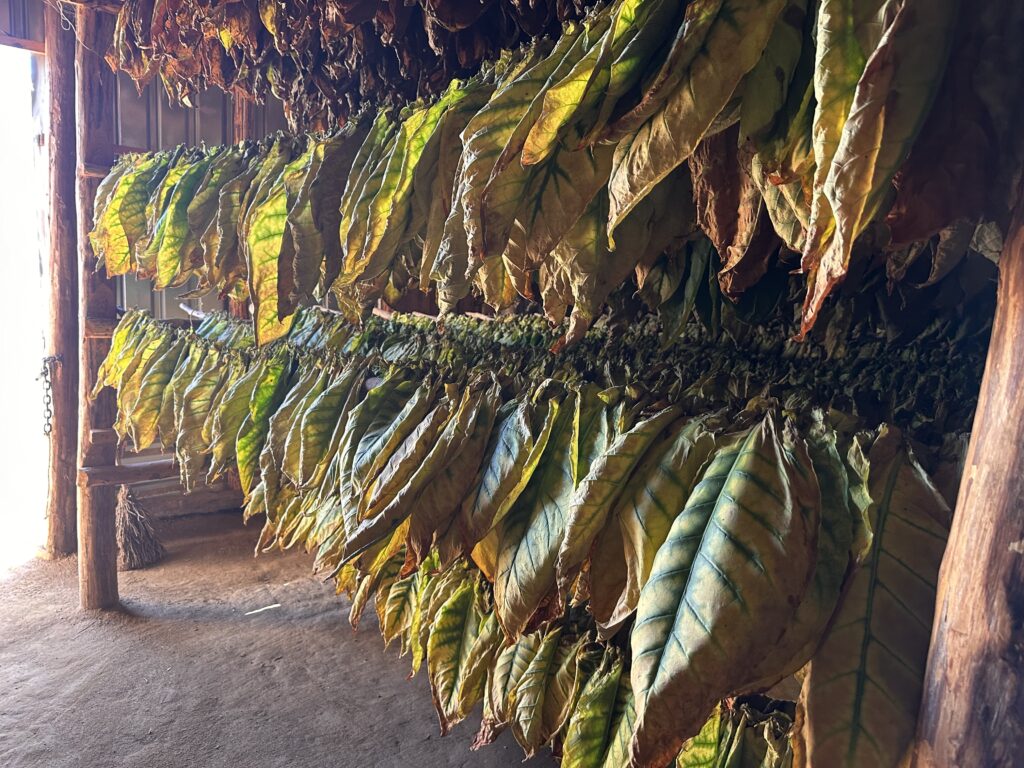
Then we were shown the curing barns, where the process of drying the tobacco leaves was explained.
We learned about the fermentation process and how the tobacco leaves are sorted and classified in a small factory 5 minutes away from the plantation.
Did you know that the temperature inside the fermentation heaps increases because of vapors that are released during the fermentation process? The temperature is monitored so that it does not exceed 42 degrees Celsius.
Then we saw how the workers classify the tobacco leaves by size and quality and destem them (half of the central vein of the leaf is removed).
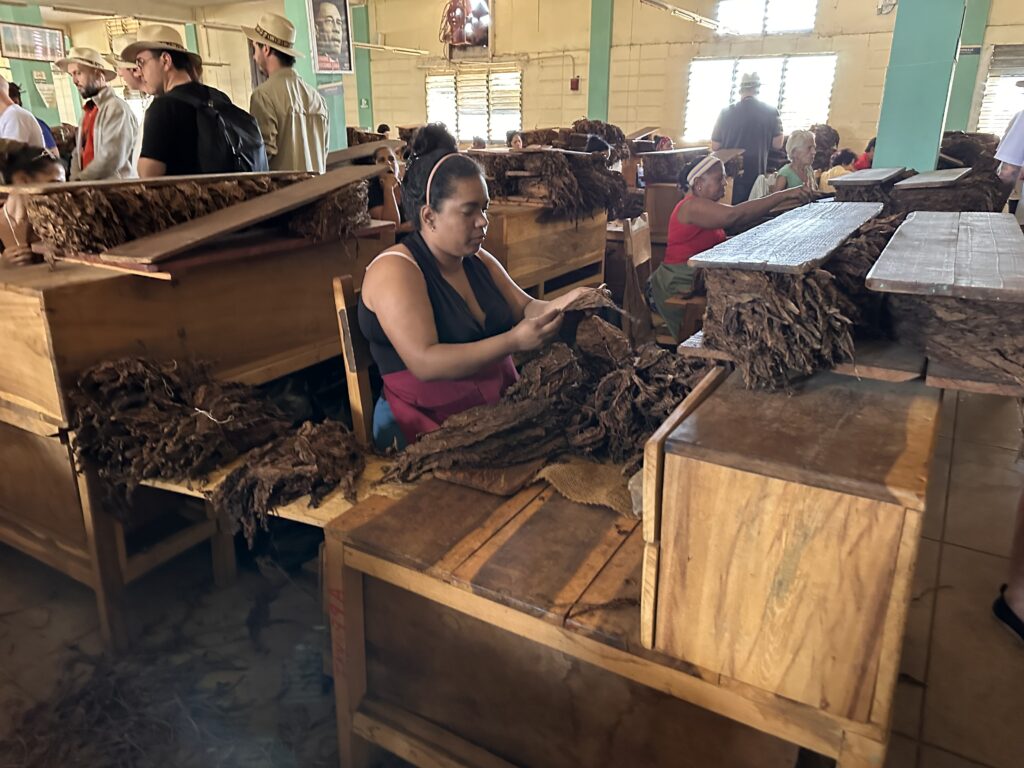
Finally, the leaves are compacted and stored in bales to be handed to Habanos. The bales are labeled with the date of production, the plantation where the tobacco was grown, and other relevant information.
Interesting fact: the producers don’t know which brand the tobacco will be used for.
Day 3
We started Wednesday with a cigar and a rum. What a great way to start the day! The reason was the pairing workshop that was held at the festival. We were given a cigar and two rums from Ron Cubay. The hosts explained the pairing process while we were experiencing it.
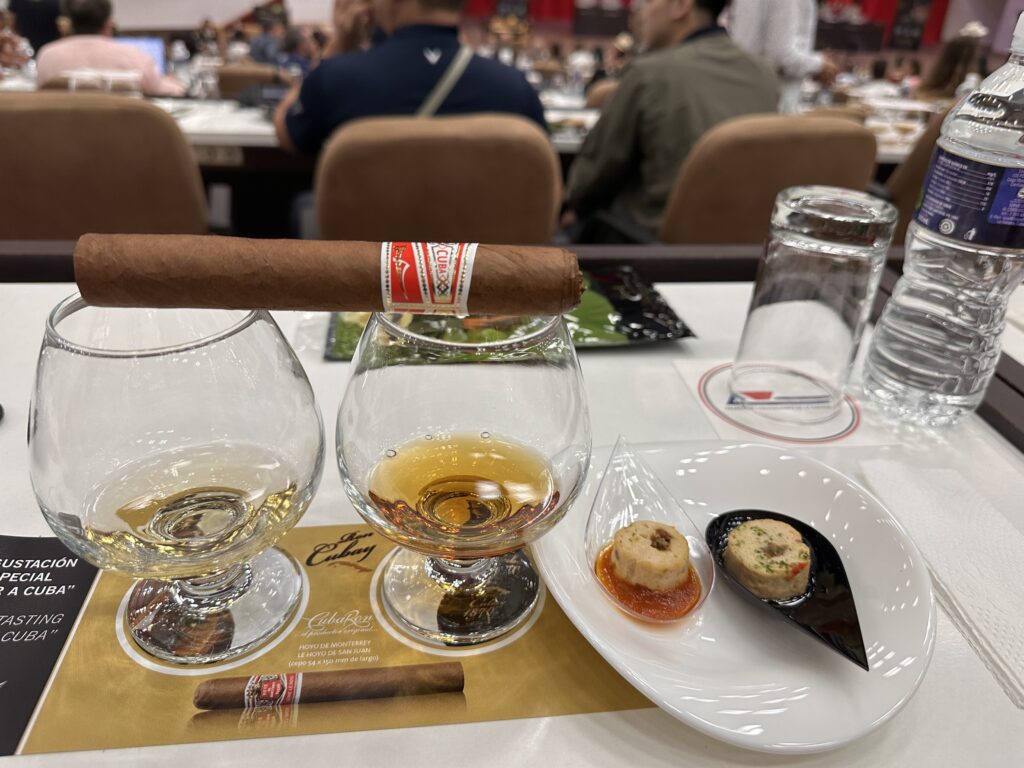
Another pairing workshop was held in the afternoon with a BHK 54 and a whisky from Dalmore. The Dalmore representative talked about the whisky and invited us to the Dalmore distillery in Scotland.
Fun fact: smoking a cigar in the distillery is allowed!
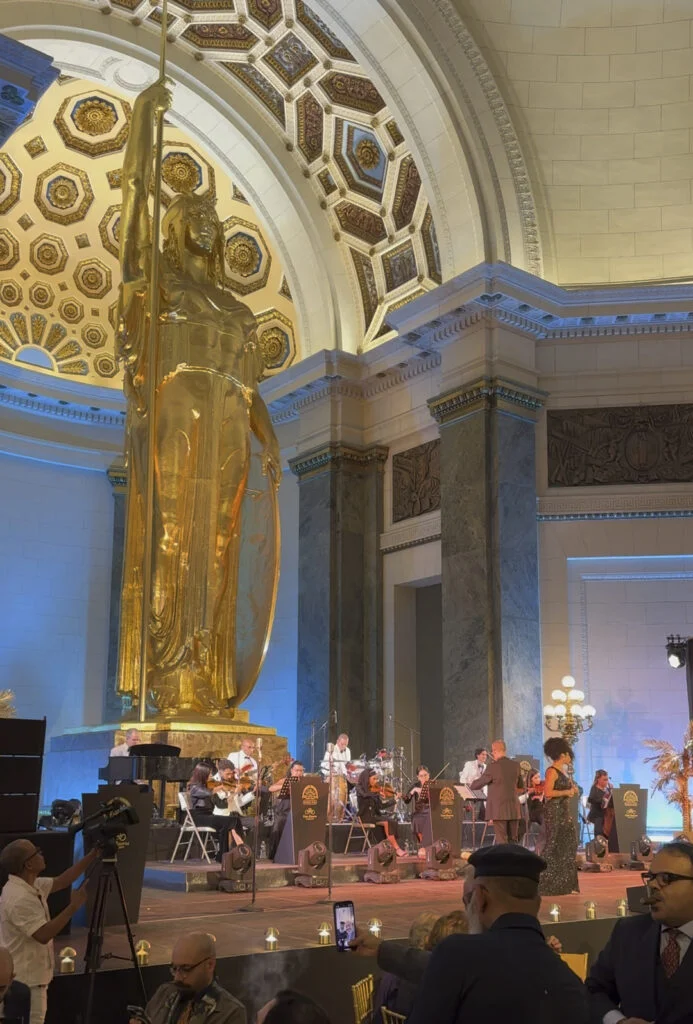
My highlight of the festival was the presentation of the H. Upmann Magnum 50 Gran Reserva Cosecha 2019 vitola. The event was hosted in the Hall of Lost Steps in the National Capitol. What an exquisite venue!
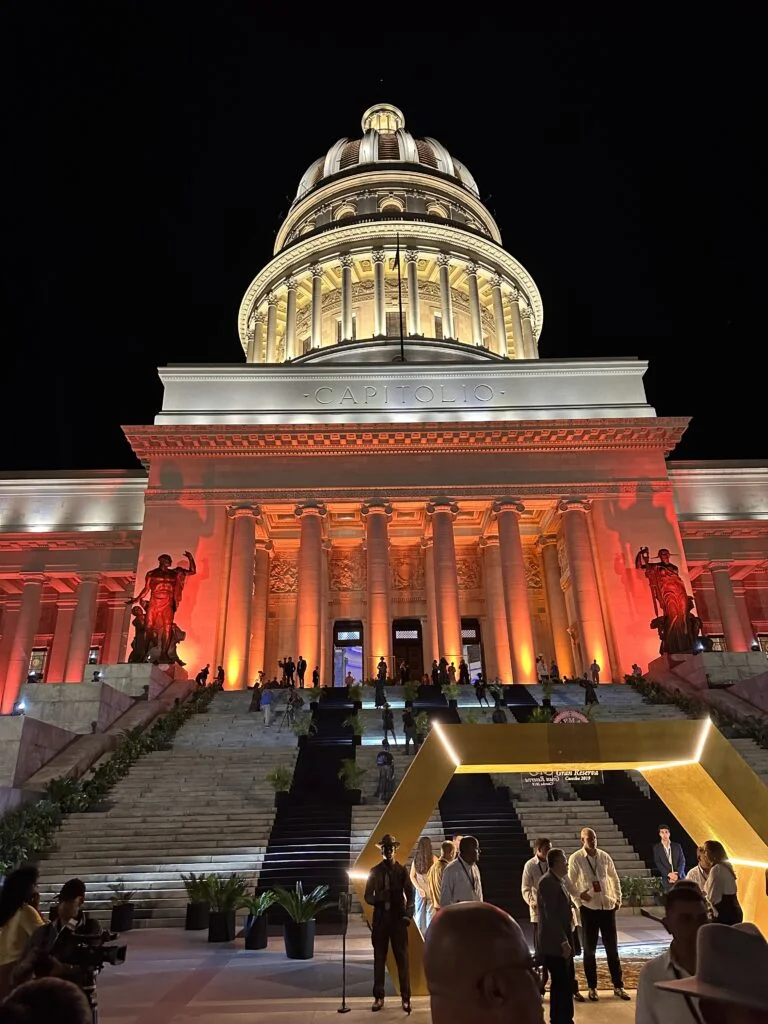
We were greeted with a welcome gift that contained 3 H. Upmann Magnum 50 Gran Reserva Cosecha 2019 cigars and a humidity sensor.
We were then taken to a lovely balcony for an aperitif, some appetizers, and a cigar.
Then we were seated in the dining area, which was nothing short of spectacular. The high ceilings, the chandeliers, the marble floors, the columns, the decorations, everything was top-notch.
There were multiple live performances adding to the ambiance and the food was great.
Day 4
Day 4 was the day to visit the factories. We were assigned to the Partagás factory and were quickly led to an empty rolling area on the top floor.
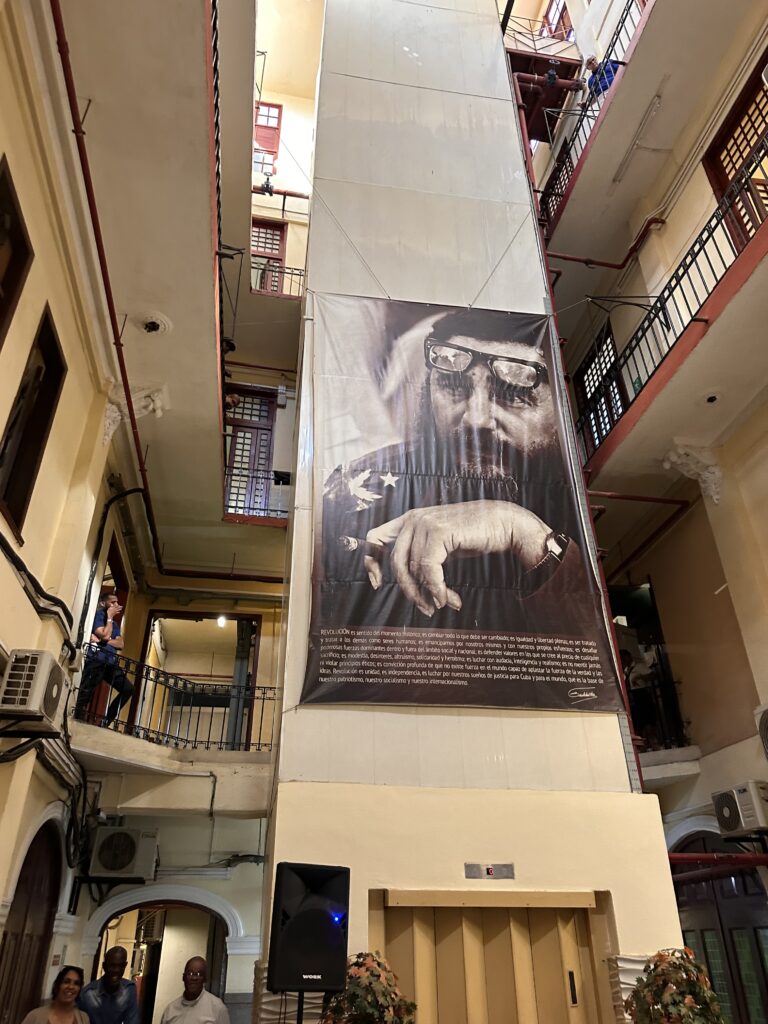
The reason? We would be the ones rolling the cigars!
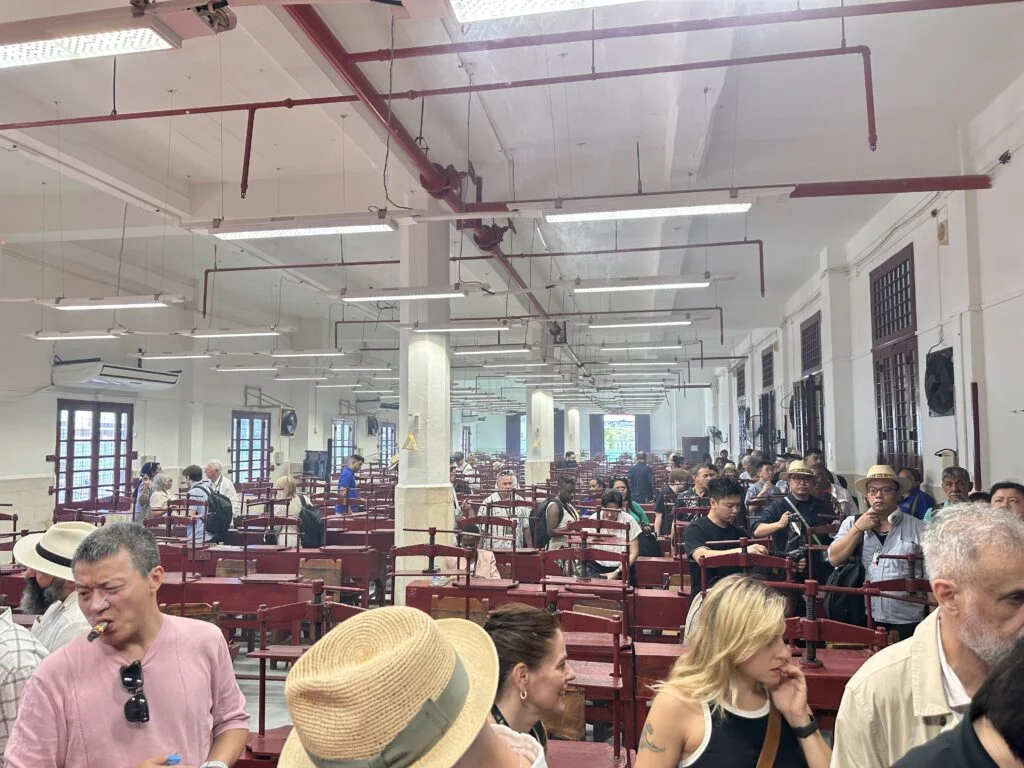
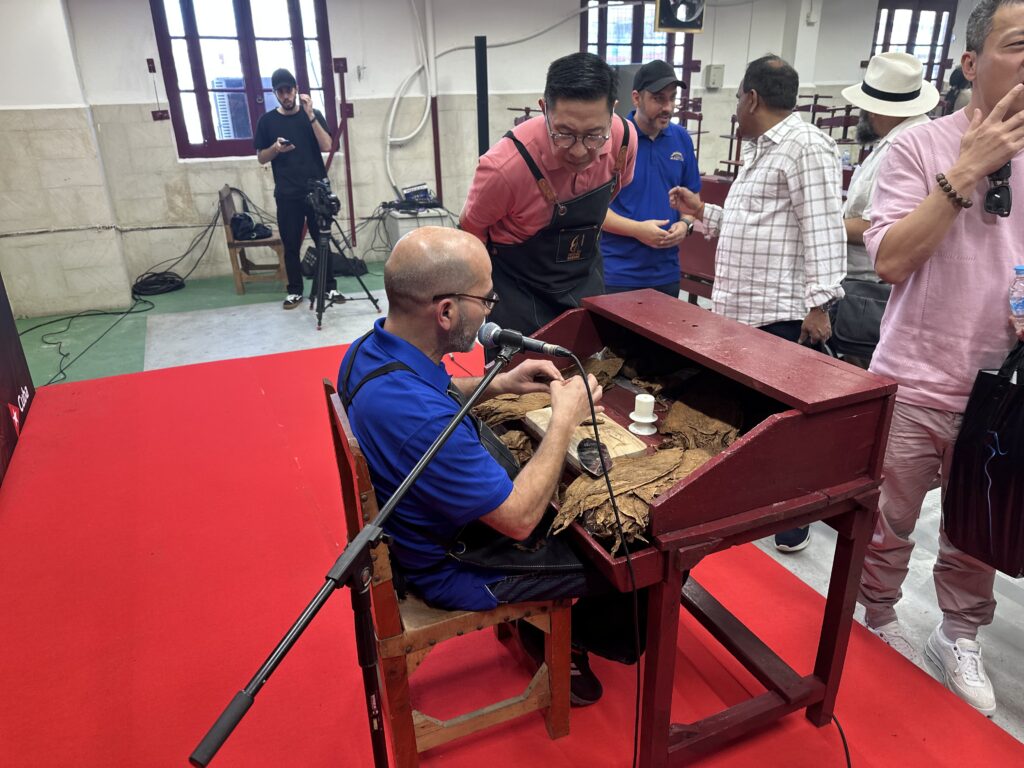
A master roller demonstrated the process on a projector screen, and many rollers were there to help us. We were given tobacco leaves, a cutter, and a wooden mold to roll the cigars.
In the evening, we attended a seminar on the history of the Behike. We were given a Behike 52 and a nice rum to enjoy during the presentation.
We learned all sorts of interesting facts starting with the first indigenous people to use tobacco in Cuba, the Taínos.
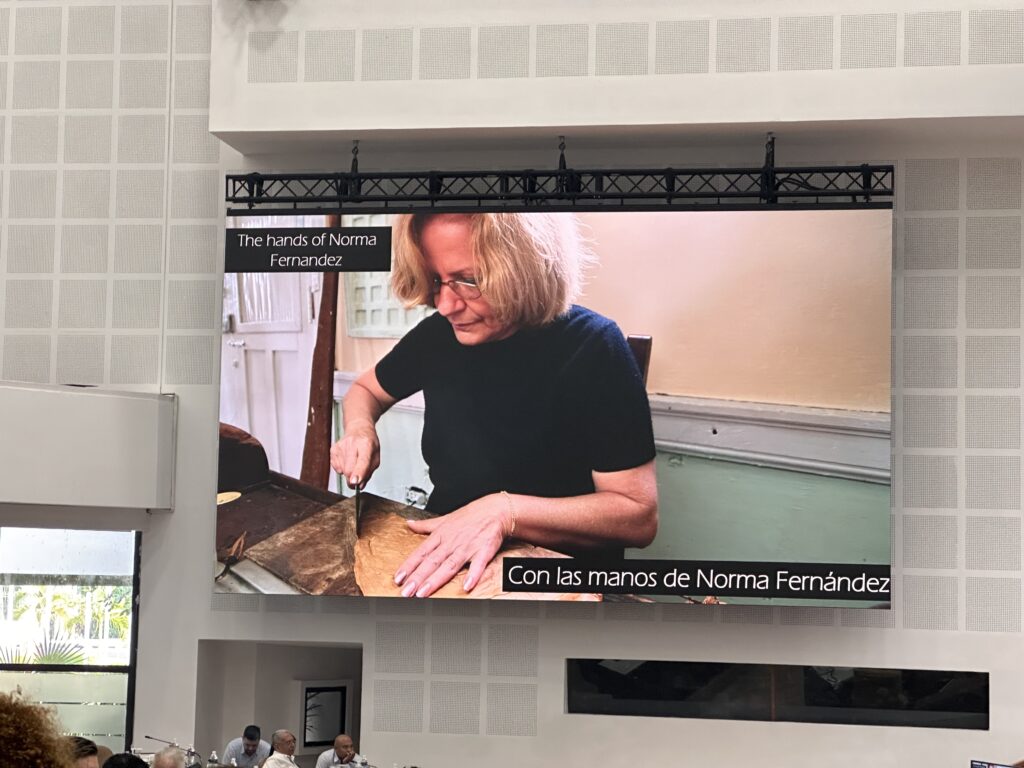
We heard how the first Behike was born from the hands of Norma Fernández. It was created for the 2006 Festival del Habano to celebrate Cohiba’s 40th anniversary. The Behike was so popular that it was decided to make it a regular production cigar. The Behike line was released in 2010 with 52, 54, and 56 ring gauge vitolas. Fifteen years later, Habanos is celebrating the occasion with the introduction of the Behike 58.
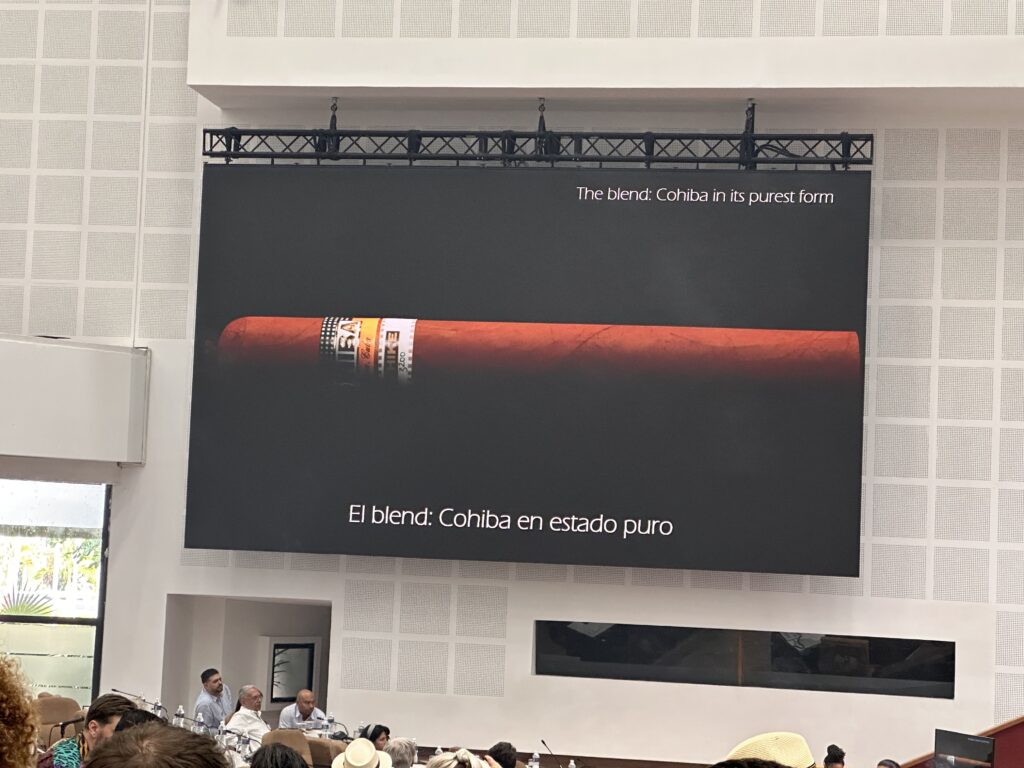
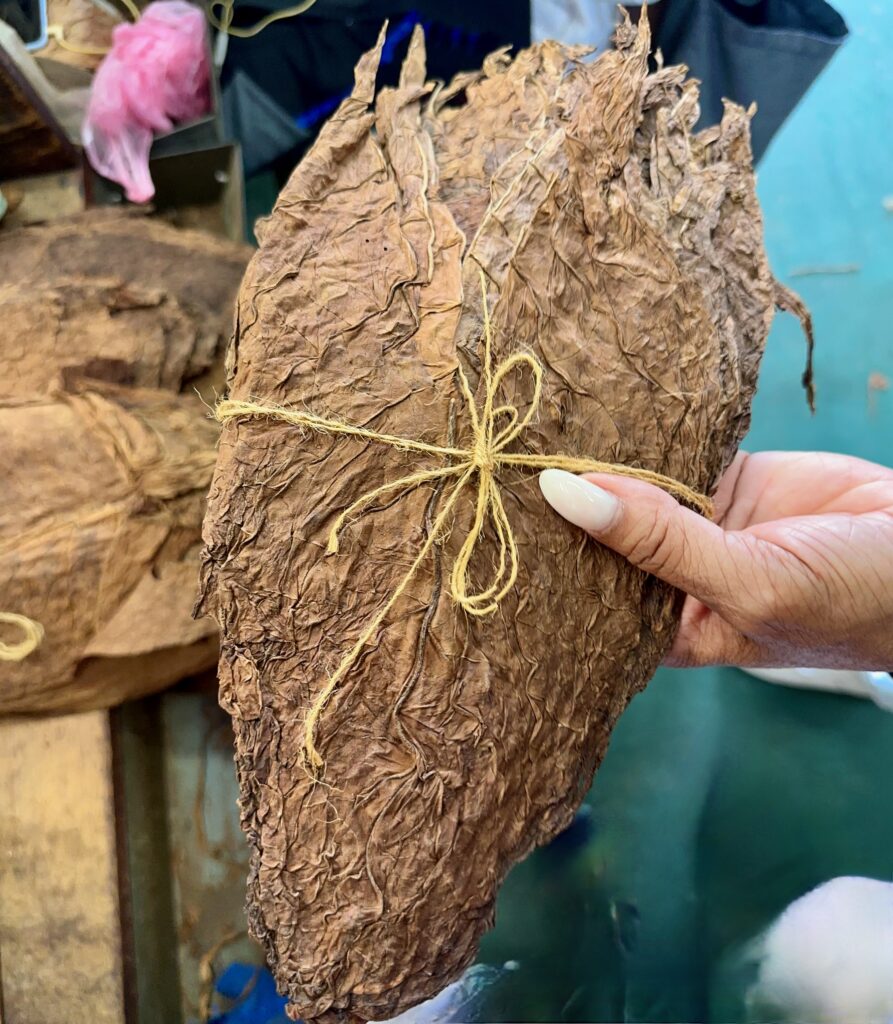
Then the secrets of the medio tiempo leaf were revealed together with the specialized effort it takes to grow it.
It is estimated that only 3% to 5% of the total sun-grown leaves reach the strength of Medio Tiempo.
And here are some medio tiempo leaves ready to make their way into some Behike 56s:
Many more facts followed, such as the tasting processes before the release of the Behike line, the training of the torcedores, the selection of bands, and more.
Day 5
And now for the grand finale, the Gala Night. The Gala Night is the most important event of the festival and it was held in the PABEXPO center.
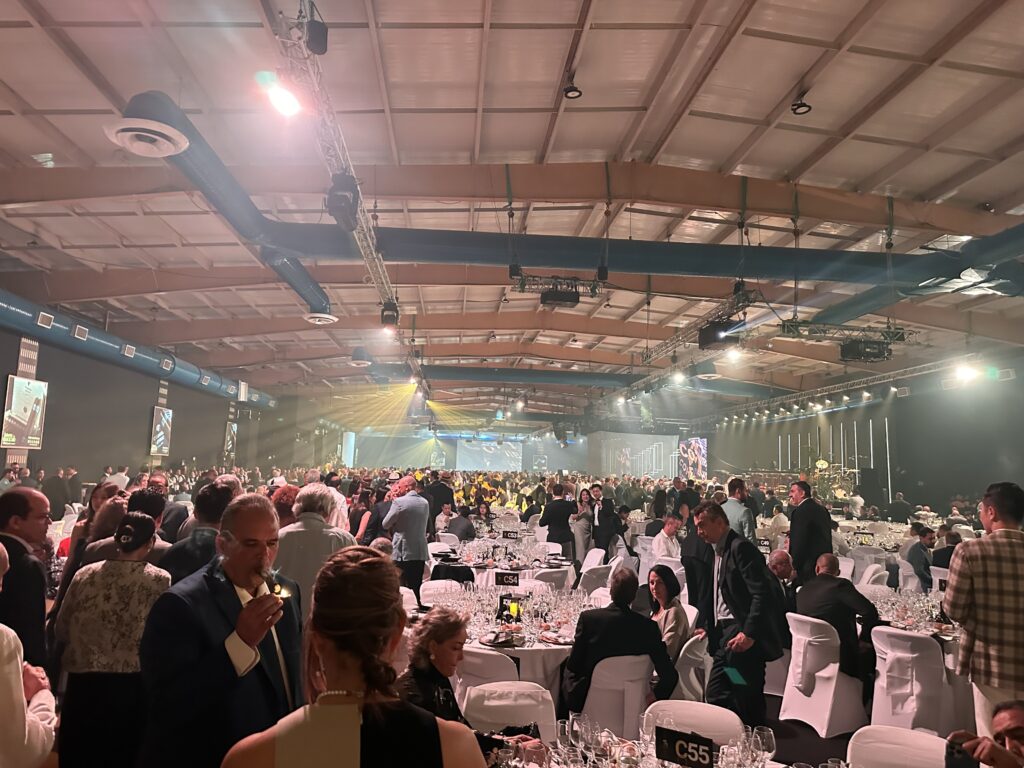
It was all about Behike at the event.
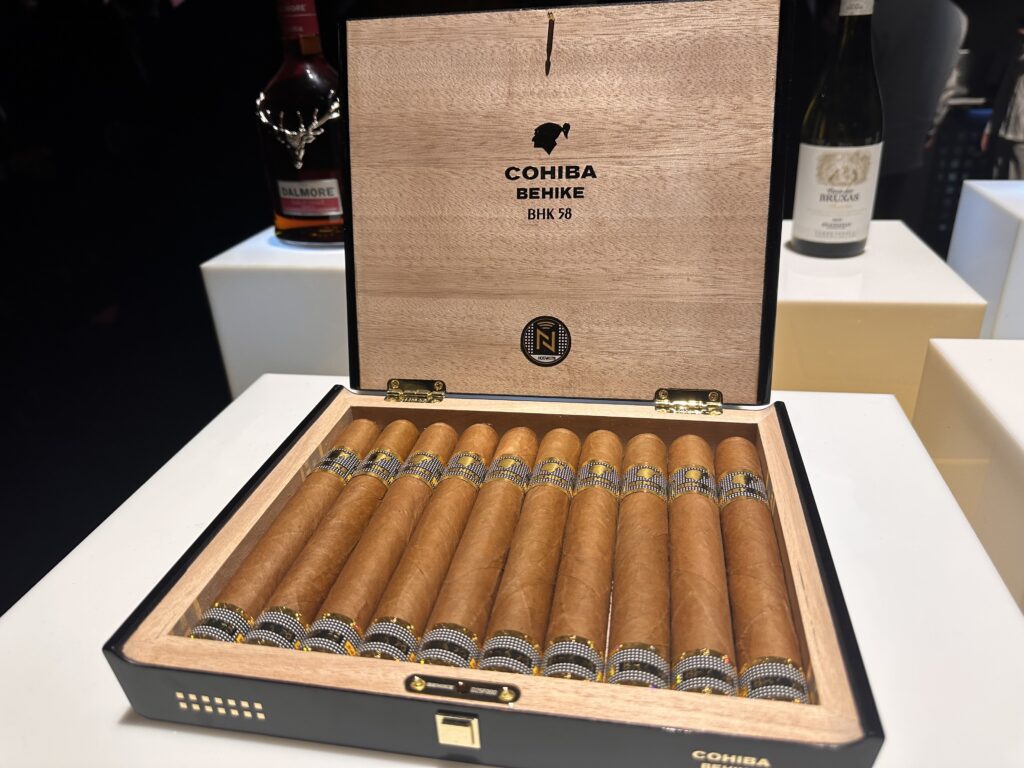
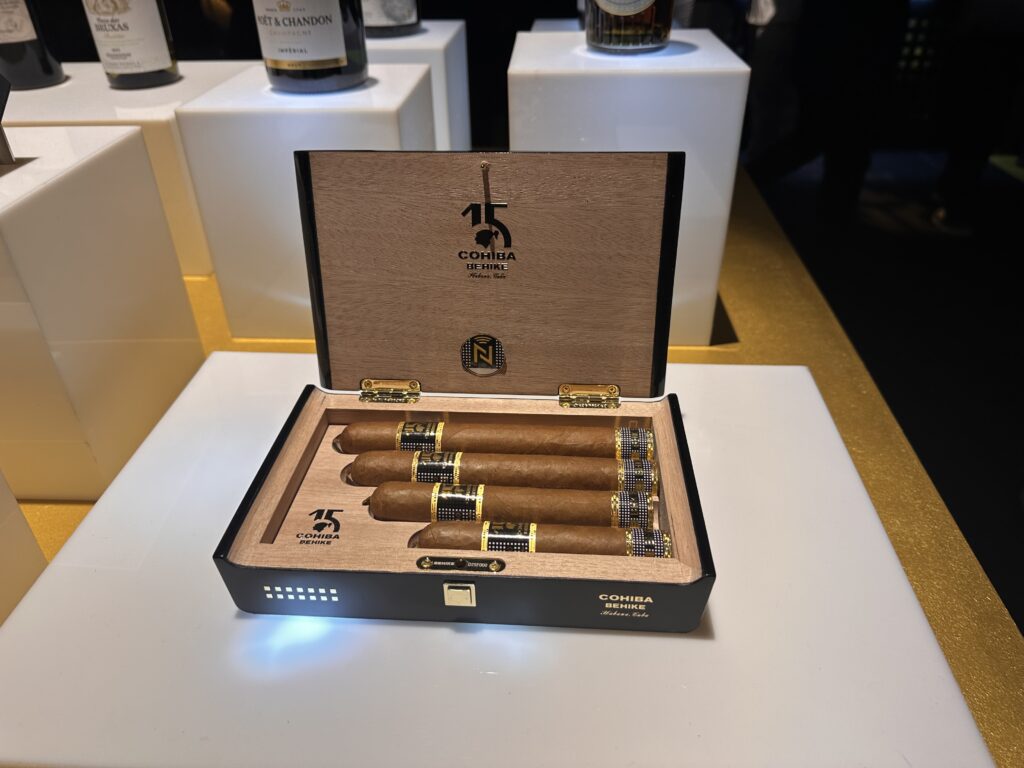
We were given the following gift box with the four Behike vitolas to commemorate the 15 years of the line.
The cigars to accompany the menu were something that I will probably never forget:
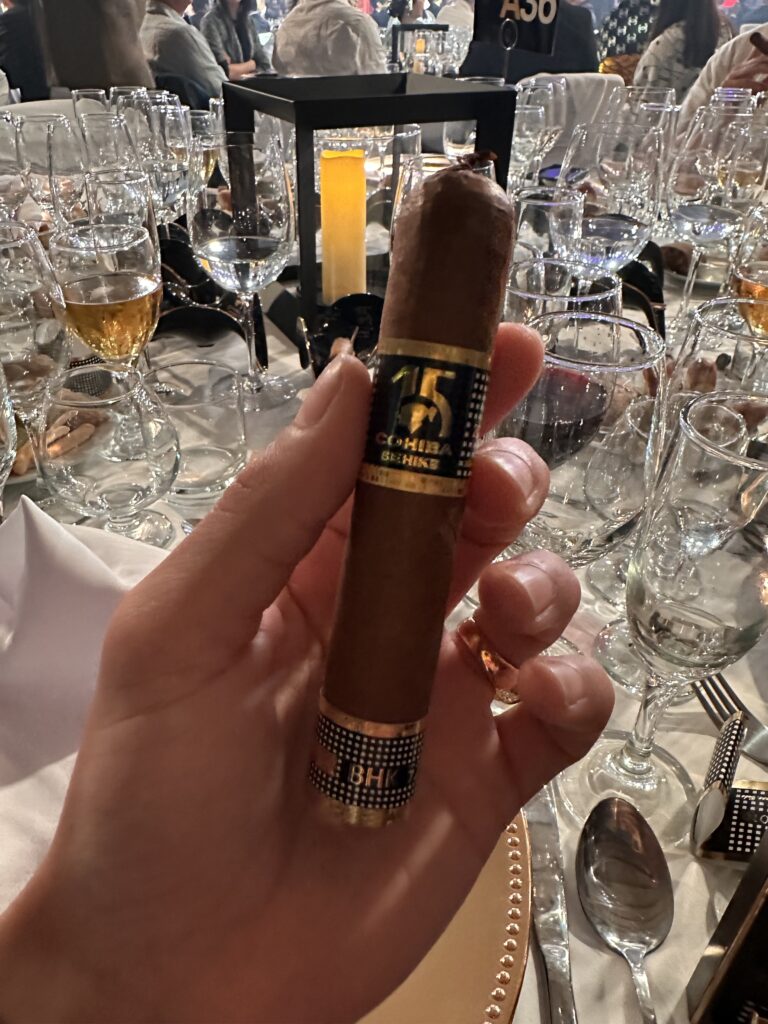
- Cohiba Medio Siglo
- Cohiba Behike 52
- Cohiba Behike 54
- Cohiba Behike 56
- Cohiba Behike 58
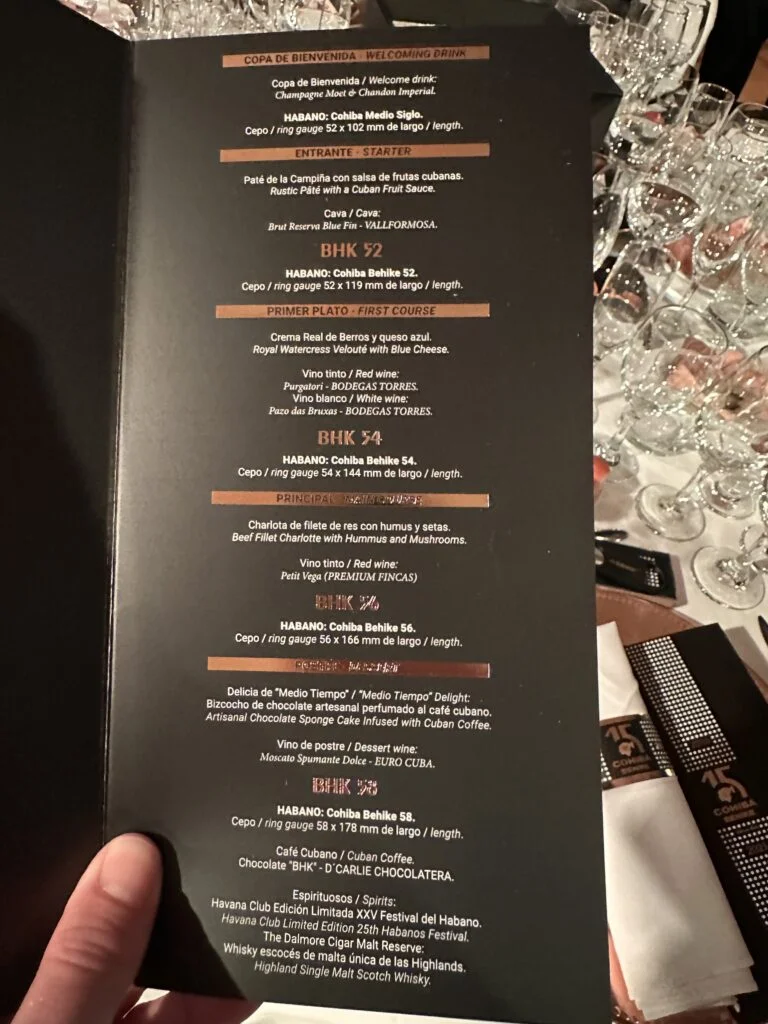
I doubt I will ever have a menu like this again in my life.
The gala had multiple shows with dancers and singers drawing from multiple themes such as the Taínos, traditional Cuban music, American music, and more.
These shows were intertwined with the humidor auction. This is a traditional charity event where the money raised goes to the Cuban health system.
The most expensive one was the Behike humidor.
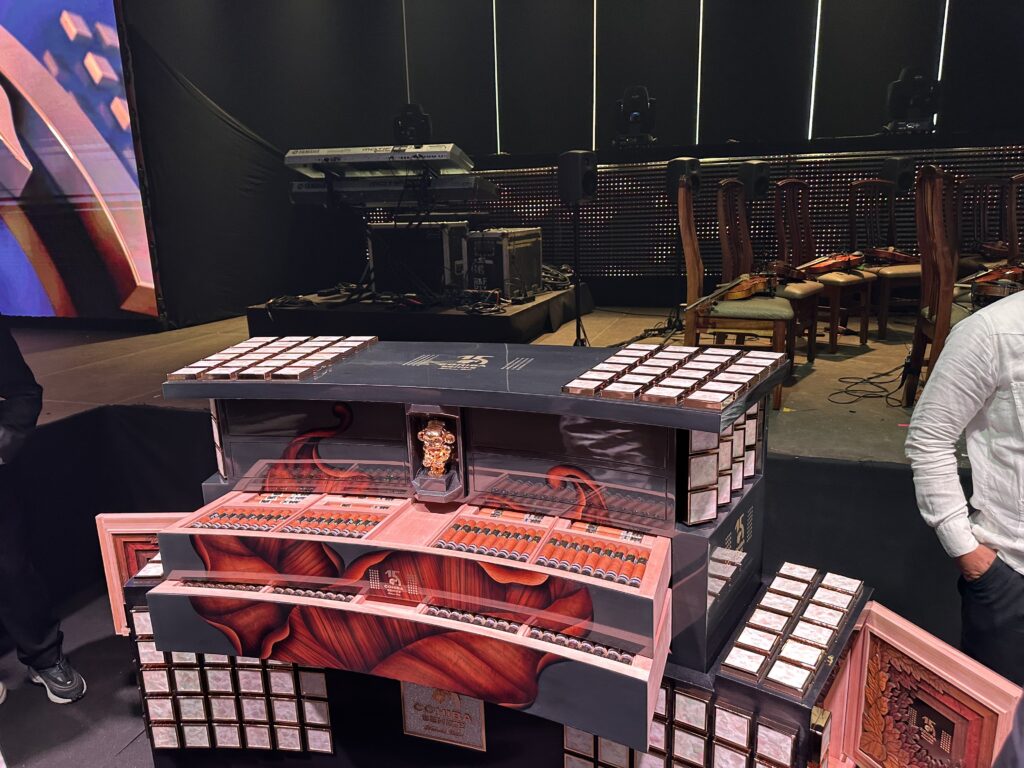
My favorite humidors in terms of design were the Hoyo de Monterrey and the Montecristo.
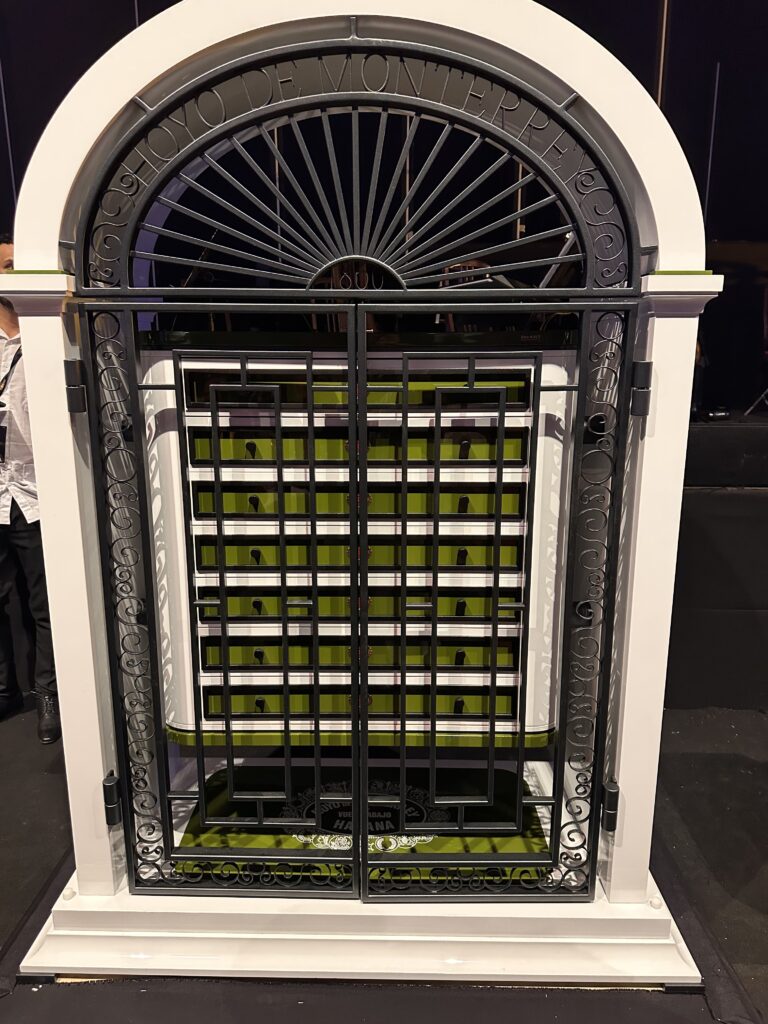
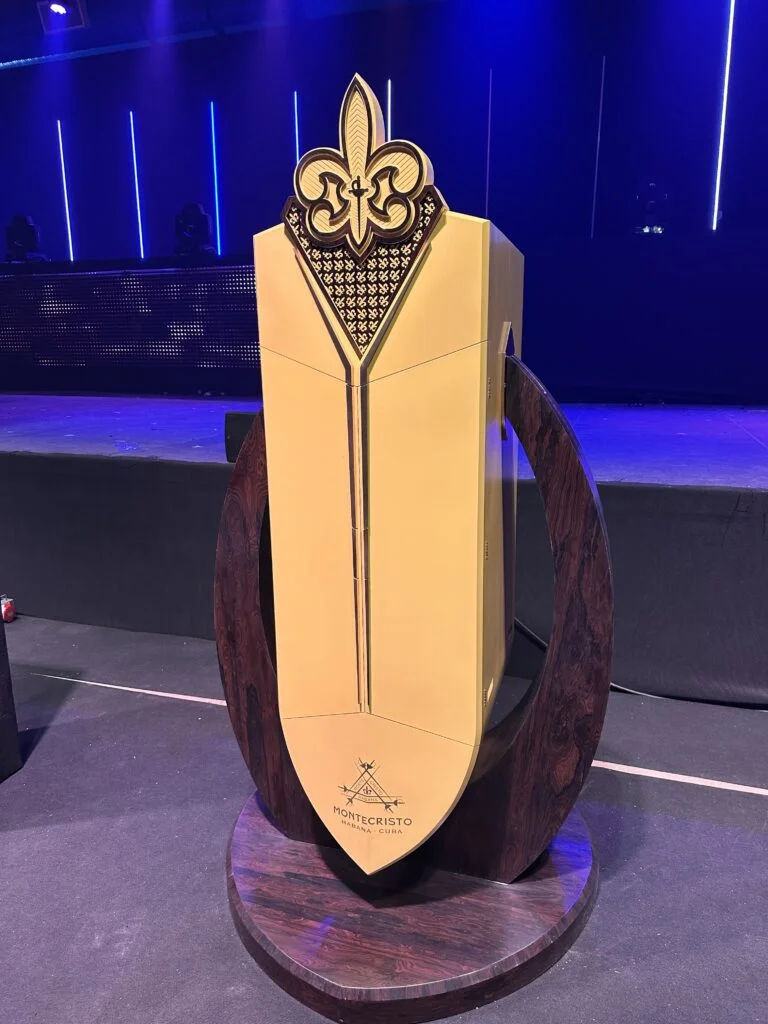
And here are some more:
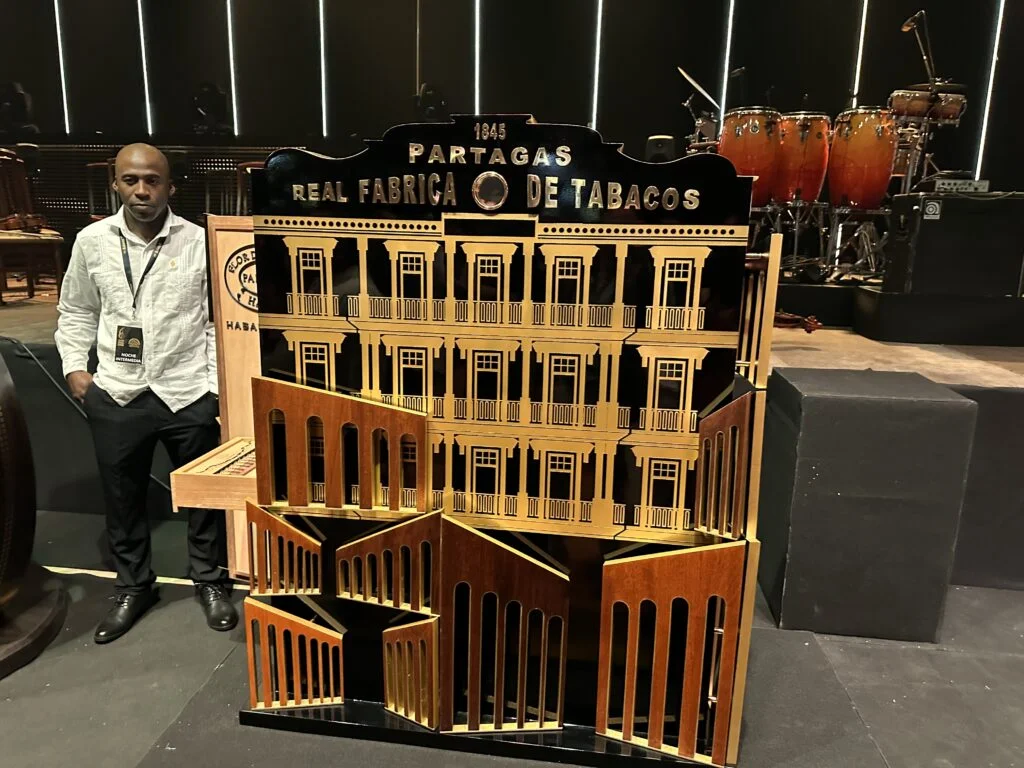
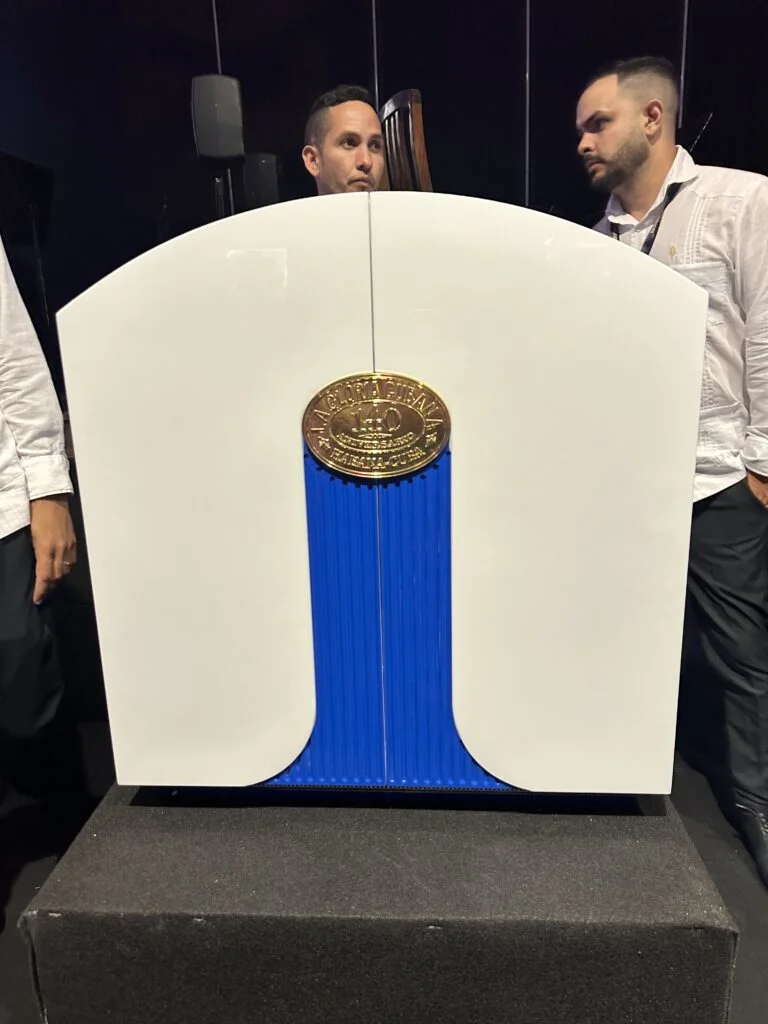
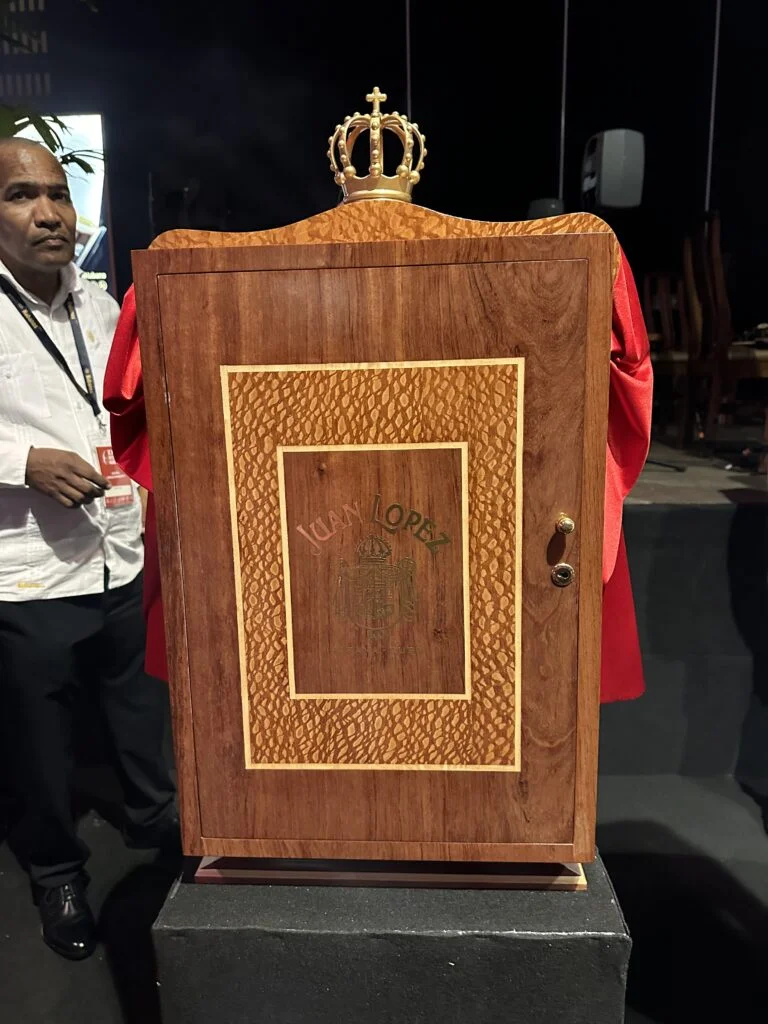
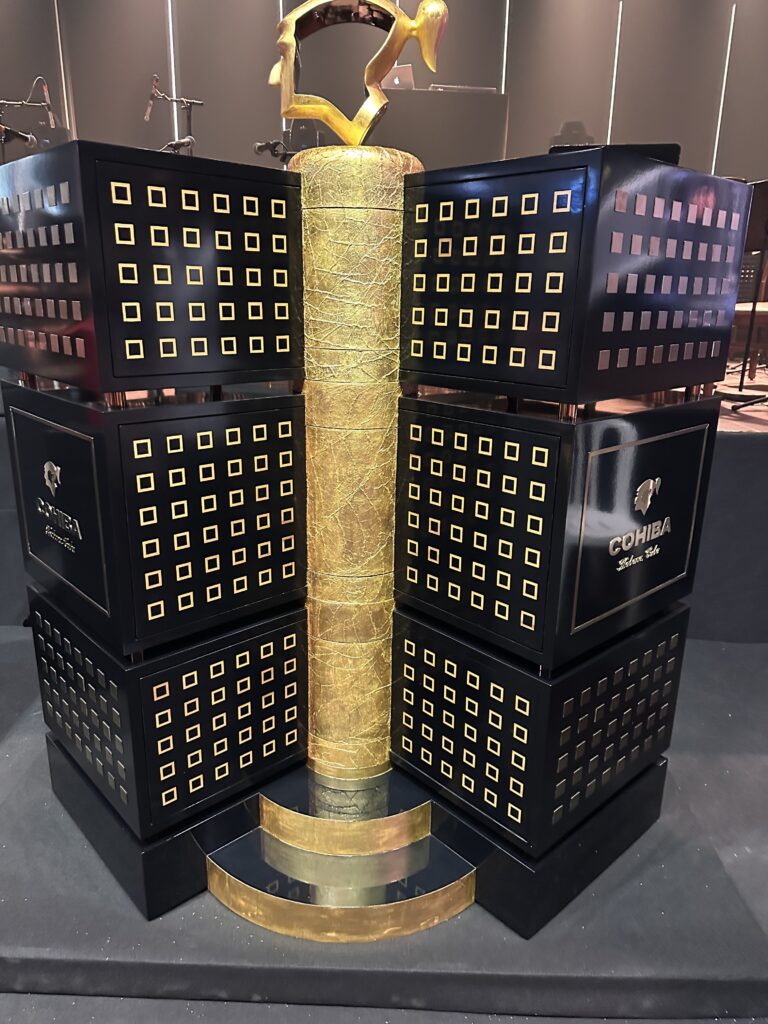
The total amount generated was €16.25 million. The Cohiba Behike BHK humidor broke the record for the most expensive humidor sale with €4.6 million.
Conclusion
We had a fantastic time at the XXV festival. Our highlights included the introduction of the Behike 58, attending the event for the H. Upmann Gran Reserva in the Capitol, visiting the Vuelta Abajo plantations, rolling our own cigars and, of course, the Gala Night. From an organizational standpoint, while there were some hiccups, Habanos continues to improve every year. We are looking forward to the XXVI Festival!